

(Intended for Advanced Agents)
Inbound Calls
#TelesalesMastery #BuyingBacktime

🎶 Look, if you had one shot or one opportunity To seize everything you ever wanted in one moment… Would you capture it? Or just let it slip?
Inbound life insurance calls are the highest-quality leads because the client initiates the conversation. Prospects see an ad through TV, email, social media, or other channels, become interested in coverage, and then call directly to your phone. You are not chasing old data or interrupting strangers—every caller just saw an ad and wants information now.
Because the client is calling you, there is no time wasted filtering through aged leads or handling constant rejection. You skip the “not interested” conversations and move straight into real insurance discussions. Contact rates are near 100%, conversations start warm, and your time is spent speaking only with people actively shopping for life insurance. Just like in the movie “The Wolf of Wall Street”, you can close your clients over the phone in the first conversation. This gives you the opportunity to have more chances at full presentations / closes each day compared to other lead alternatives.
The BIGGEST tradeoff is cost. Each inbound call typically costs $50–$85 per conversation (with a 60 to 90 second buffer, respectively), regardless of the outcome. That makes inbound leads best suited for experienced agents who can convert consistently and manage higher daily spend. When done correctly, inbound allows agents to work a structured 8 am–5 pm (PST) schedule, stay focused during business hours, and still clock out with time for family, friends, and life outside the phone.
*** THE AVERAGE CPA (COST PER ACQUISITION/CLOSE) IS AROUND $240. THIS MAKES IT A MORE SCALABLE GAME IF YOU HAVE THE FUNDS AND SKILL TO DO SO.
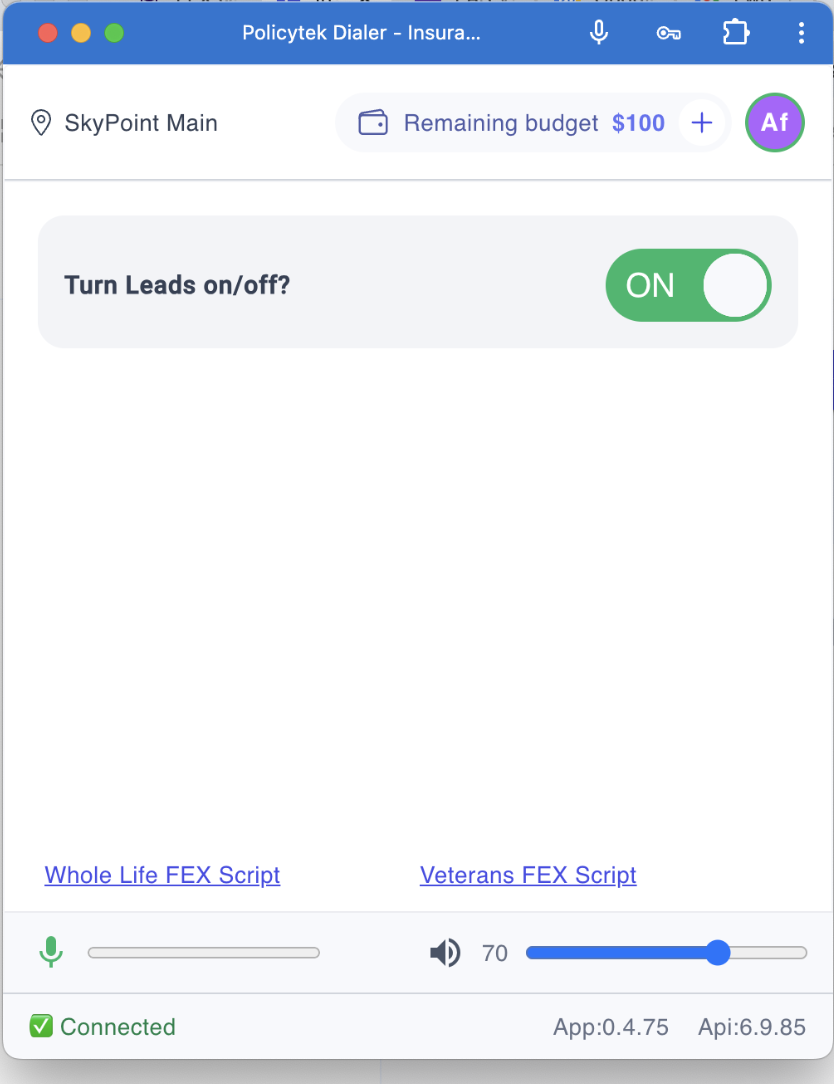
The 60-second buffer on an inbound telesales call is designed to protect your time and your money. When the call comes in, you immediately welcome the client and clearly explain two things up front: the product is not free, and there are basic eligibility limits, such as age. You then let them know they have up to 60 seconds to hang up at NO CHARGE if they were expecting something free or if they are outside the age range (for example, over 89 OR over 85 if you don’t have Aetna).
YOU HAVE TO BECOME A MASTER at controlling the conversation from the very beginning. You must be both Stern & Direct; make sure you properly vet your client, and let them know there will be a monthly fee before proceeding.
If the client stays on the line past that 60-second window and you continue the conversation, the call becomes billable. Even if the full call only lasts 100 seconds, or if later in the conversation the client says they cannot afford it because they thought it was free, the charge still applies. At that point, you accepted the call and chose to proceed.
This system does not eliminate bad calls, but it buys back your time and protects your premium dollars. Inbound is still a numbers game, but the 60-second buffer allows you to quickly filter out obvious mismatches before being charged, so your spend is focused on real conversations with serious buyers.
The goal is to eventually get licensed in EVERY STATE (Except NY; too many restrictions)
It’s nothing more than a BIG Math Game…
Inbound calls are one of the most statistically favorable lead sources in life insurance telesales because the prospect initiates the conversation. Instead of interrupting someone who may or may not be interested, you are speaking with individuals who have already seen an ad, responded to marketing, and taken the step to call in for information. That single action dramatically increases intent and engagement compared to aged leads or cold outreach. From a sales probability standpoint, higher intent translates directly into higher contact rates, longer conversations, and significantly stronger close ratios.
From an investment perspective, the math is straightforward. Inbound calls typically cost between $50 and $85 per call. With a starting budget of about $1,500, an agent can realistically receive around 25–30 billable calls, meaning actual presentations with prospects. Even at a conservative 20% closing rate, that volume would statistically yield 5–6 policy sales. When you compare that to other lead types where agents might dial hundreds of numbers to reach a few qualified prospects, inbound calls dramatically compress the time between dialing and closing.
For agents who are serious about production, inbound calls essentially allow you to buy back your time and focus only on real opportunities. Instead of spending hours chasing uninterested leads, you are speaking directly with people who requested information and are prepared to hear a presentation. With proper script adherence and consistent activity, the numbers alone show why inbound calls remain one of the most scalable and predictable ways to generate life insurance sales.
Make sure to hop on zoom!
💎 Join the team at HomeOfficeZoom.com everyday during working hours to dial in with your colleagues! Make sure to have your Camera on 🎥

Real Client Examples:
Live Telesales Closes (Using Script)
CBO 1-Call Close
Senior MTG 1-Call Close
His & Hers 1-Call Close
Final Expenses 1-Call Close
Final Inbound Tips:
💎 Get multiple non-resident licenses so you can get calls from clients in different time zones. (Get at least 15-25+ states throughout the nation so you can stretch out your work day)
💎 Edit the scripts to make it sound more like you. You should sound authentic instead of sounding like you are reading off of a piece of paper.
💎 Remember the movie, “Wolf of Wall Street”. In the movie, NO ONE set appointments to call clients back while they were ALREADY on the phone with them. If your client is on the hook, reel them in NOW (if time permits).
💎 Just like anything else in life, your mindset is the biggest proponent of your success. Keep your mind right and locked on the prize!